 713-261-5232
Seven Questions to Answer Before a Light Demolition Job
Use this pre-job check to clarify utilities, access, materials, permits, debris, and what stays in place.
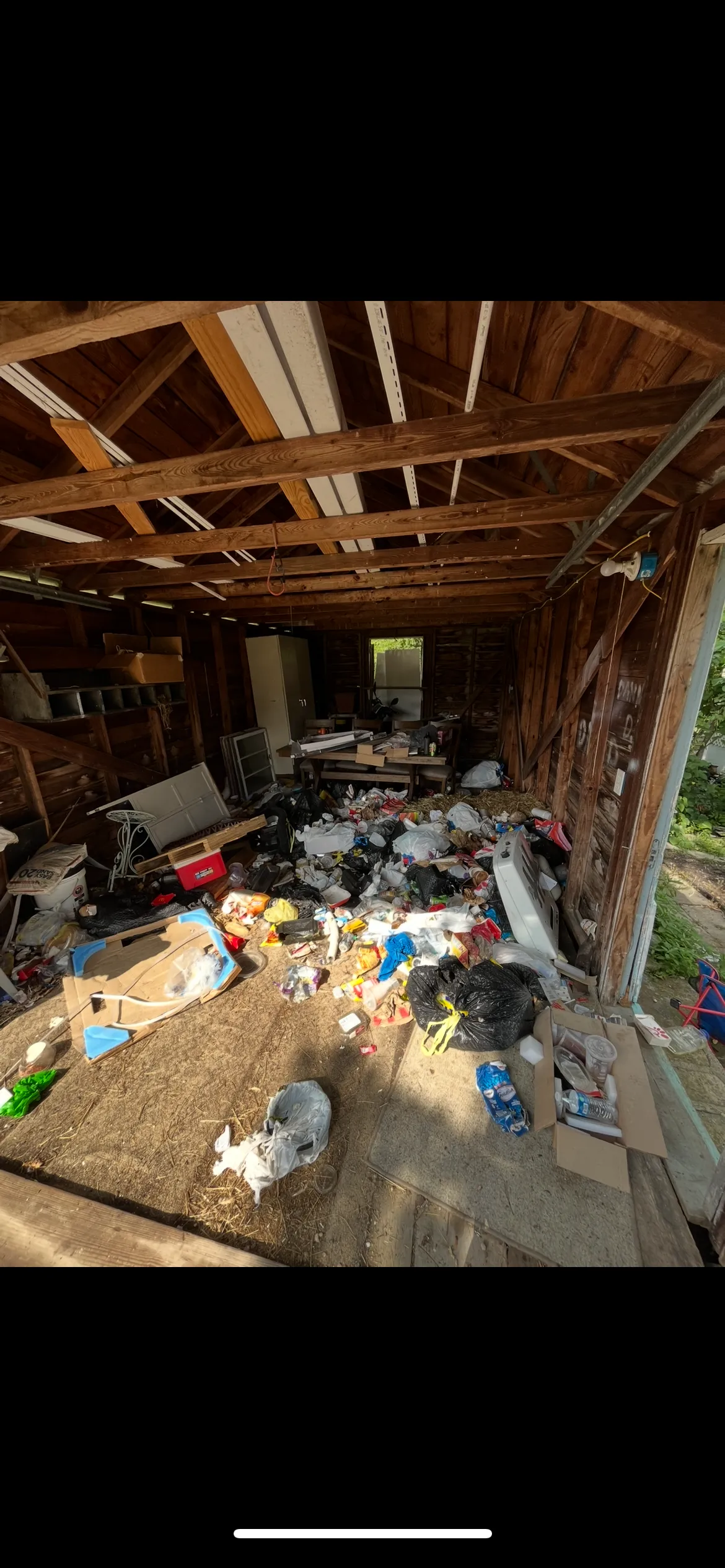
Before light demolition, define exactly what comes out, what stays, and what could make the job unsafe. The seven questions below cover ownership, utilities, permits, hazardous materials, structure, access, and debris. If any answer is uncertain, pause the work and get the right professional involved.
1. Who can authorize the work?
Confirm the property owner or authorized manager has approved the exact scope. In a rental, commercial suite, condo, or managed property, demolition may also require approval from a landlord, association, or building manager.
2. Are permits or inspections required?
Rules vary by city, county, structure type, and project size. Ask the local building department before scheduling. A removal company cannot make a universal permit promise for every jurisdiction.
3. What utilities run through the work area?
Walls, cabinets, decks, bathrooms, and kitchens may conceal electrical lines, plumbing, gas, drainage, or communication wiring. Identify shutoffs and use qualified trades when disconnection or verification is needed. Do not assume an unused-looking line is inactive.
4. Could the materials contain lead, asbestos, or another hazard?
Age and appearance alone do not settle the question. EPA states that paid renovation work disturbing painted surfaces in many pre-1978 homes and child-occupied facilities can fall under the Renovation, Repair and Painting Rule, including demolition of painted surfaces. Review the EPA’s RRP contractor guidance and lead and demolition guidance (retrieved October 16, 2026; United States). Suspected asbestos, mold, biohazards, or contaminated material require separate assessment.
5. Is the element structural or attached to something structural?
A non-load-bearing appearance is not proof. Deck connections, wall framing, roof loads, stair components, and concrete supports can affect more than the visible piece. When the answer is unclear, use a qualified contractor or engineer before removal.
6. Can the crew and debris move through the property safely?
Measure gates, doors, stairs, and turns. Protect finished surfaces and identify occupied areas. OSHA’s heavy-lifting guidance recommends mechanical assistance or multiple people for heavier loads and highlights awkward posture, poor handholds, and long-duration lifting as risk factors (retrieved October 16, 2026; United States workplace guidance). Leave heavy or awkward components in place for the crew to assess.
7. Where will the debris go?
Separate clean material from paint, chemicals, treated wood, electronics, or other special waste. Ask which materials the removal provider accepts and how weight or special fees affect the quote.
Pre-job decision sheet
- Approved scope marked with photos or tape
- Permit answer documented
- Utilities identified and handled by the right trade
- Hazard screening complete
- Structural uncertainty resolved
- Access and protection plan agreed
- Debris types disclosed before quoting
Start with the deck demolition service page or the broader demolition service list. Then contact GenX for an on-site assessment.
Source note: Federal sources were reviewed on October 16, 2026. Local acceptance, fees, permits, and disposal rules change by jurisdiction and program; confirm them with the responsible local authority or organization.