 713-261-5232
An Estate Cleanout Sorting Checklist That Keeps Decisions Manageable
A room-by-room method for separating keepsakes, documents, donations, hazardous materials, and removal items.
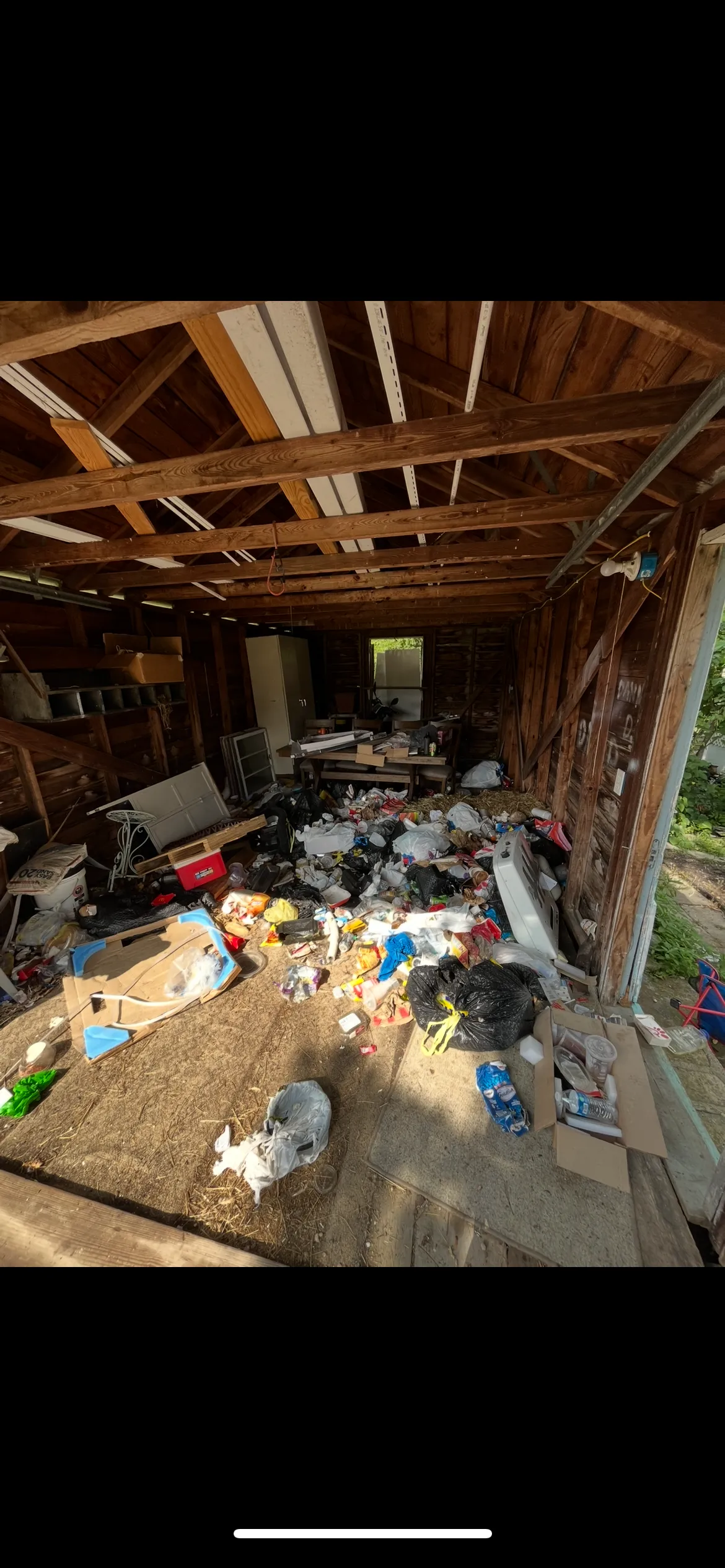
An estate cleanout is easier when removal comes after decisions, not during them. First separate documents, valuables, keepsakes, donations, hazardous materials, and ordinary removal items. Work one room or one decision category at a time so important items do not disappear into a general pile.
Set up five destinations
| Destination | Examples | Next action |
|---|---|---|
| Keep | Photos, keys, family items, current household goods | Move to a labeled, closed room or vehicle. |
| Documents | Wills, deeds, tax records, IDs, insurance, account records | Secure for the executor or responsible family member. |
| Sell or appraise | Jewelry, collections, art, tools, furniture with uncertain value | Hold until a qualified person reviews it. |
| Donate | Usable items accepted by a chosen organization | Confirm acceptance before loading or drop-off. |
| Remove | Broken, unwanted, or non-donatable household material | Group by room or item type for the quote. |
Start with the things that can stop the job
Look for medications, firearms, ammunition, propane cylinders, fuel, wet paint, pesticides, cleaners, batteries, and anything that may be biohazardous. Keep these out of the general removal pile. EPA notes that products that can burn, react, explode, corrode, or cause toxicity may be household hazardous waste, and disposal options are managed at the state or local level. Check the EPA’s household hazardous waste guidance and your local solid-waste authority (retrieved October 16, 2026; United States).
A room-by-room order
- Office and bedside areas: secure records, devices, passwords, medication, keys, and small valuables.
- Closets and storage: label family keepsakes before sorting ordinary clothing and linens.
- Kitchen and utility spaces: separate chemicals, food, sharp objects, and connected appliances.
- Garage and shed: isolate fuel, oil, paint, pesticides, cylinders, and unknown containers.
- Furniture rooms: confirm ownership and donation acceptance, then mark removal pieces clearly.
Questions to settle before the crew arrives
- Who has authority to approve removal?
- Which room or taped area is completely off limits?
- Are there storage units, attics, crawlspaces, or outdoor structures not shown in the first photos?
- Does the property have an elevator reservation, gate code, parking rule, or closing deadline?
- Who will make an immediate decision if an unexpected item is found?
The estate cleanout service page explains the quote process. If donation is part of the plan, read the donate, recycle, or haul-away guide before assigning items. When the sorting zones are ready, contact GenX with photos and access details.
Source note: Federal sources were reviewed on October 16, 2026. Local acceptance, fees, permits, and disposal rules change by jurisdiction and program; confirm them with the responsible local authority or organization.